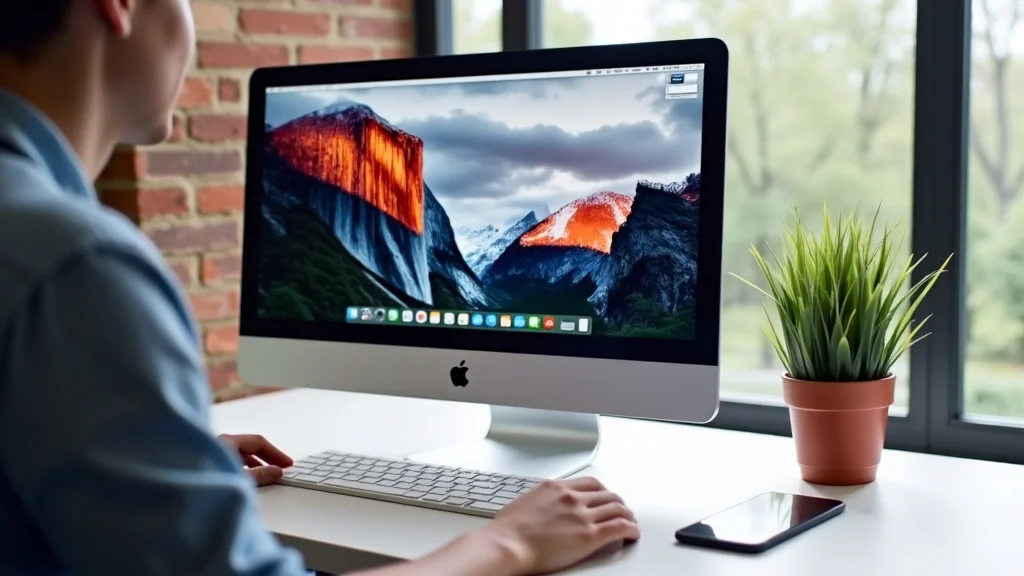
Picture this: you’re sitting at your desk, ready to tackle a big project. You need a computer that’s fast, looks great, and won’t slow you down. Perhaps you’re considering the apple imac laptop review to make a purchase decision. Many people are in the same situation. This guide will provide an in-depth apple imac laptop review covering the performance, features, and overall experience. You’ll gain a thorough look at what makes this all-in-one computer a popular choice. This will also help you determine if it’s the right fit for your needs.
The Apple iMac Laptop: An Overview
The Apple iMac is an all-in-one desktop computer, meaning all the components, the screen, the processor, and the other bits are neatly packed into a single unit. This design keeps your desk tidy, removing the clutter of separate towers and cables. Apple has consistently updated the iMac, improving its performance and display. The latest models often include the newest processors and graphics cards. These advancements aim to deliver a smooth and responsive experience for both work and play. The iMac is known for its sleek design, the high-resolution Retina display, and the user-friendly macOS operating system. It’s a popular choice for creatives, students, and anyone wanting a powerful and beautiful computer.
Design and Build Quality of the iMac
The iMac’s design is one of its most recognizable features. Apple emphasizes a clean, minimalist aesthetic. The iMac is made from aluminum. This gives it a premium feel and helps with heat dissipation. The screen is also a key feature, known for its vibrant colors, sharpness, and high pixel density. The slim profile makes it visually appealing and helps it fit into a variety of spaces. The all-in-one design eliminates the need for a separate computer tower. This streamlined approach makes it easy to set up and keeps your workspace tidy. Durability is also a focus. The iMac is made to last, ensuring it will withstand daily use.
- Aluminum Body: The iMac’s aluminum body provides a sleek, modern look and feel. The material also assists in heat management, keeping the computer running cool.
- Slim Profile: The iMac’s thin design is a standout feature. It allows it to integrate seamlessly into any environment, adding to its visual appeal.
- Integrated Webcam: The built-in webcam is conveniently placed and integrated with the display, making video calls and conferences easy and effective.
- Retina Display: The high-resolution Retina display delivers vibrant colors and sharp details, great for creatives and anyone who values visual quality.
- Built-in Speakers: The iMac’s speakers provide decent sound quality. They are suitable for everyday use and media consumption without needing external speakers.
Display Technology in the iMac
The display is one of the key strengths of the iMac. The Retina display technology is central to the user experience. Retina displays have a high pixel density, making images and text incredibly sharp. The colors are accurate and vibrant, making it great for image and video editing. The iMac’s display also has a wide color gamut, which means it can display a broader range of colors. This is beneficial for anyone involved in creative work or for those wanting a rich visual experience. The display has anti-reflective coating. This minimizes glare, allowing you to use the iMac in different lighting conditions. Whether you’re working, watching videos, or browsing the web, the iMac’s display enhances the experience.
- Retina Resolution: Retina displays are known for their incredibly high pixel density. This makes images and text look exceptionally sharp and clear.
- Wide Color Gamut: The iMac supports a wide color gamut, meaning it can display a broader range of colors. This makes images appear more vibrant and realistic.
- Brightness and Contrast: The display offers great brightness and contrast. This ensures that images look bright and the colors are true, no matter the lighting.
- Anti-Reflective Coating: Many iMac models have an anti-reflective coating on the screen. This helps to reduce glare, improving usability in various lighting conditions.
- True Tone Technology: Some models feature True Tone technology, which automatically adjusts the display’s color temperature to match the lighting in your environment.
Performance and Hardware Specifications
The performance of an iMac depends on its internal components, especially the processor, RAM, and storage. The latest models are equipped with powerful processors. These range from Intel Core i5 or i7, to Apple’s own M-series chips. The M-series chips offer a mix of high performance and energy efficiency. The amount of RAM impacts how well the computer handles multitasking. More RAM will provide a smoother experience when running multiple applications simultaneously. The storage options include SSDs (Solid State Drives), which provide fast data access. This significantly speeds up the computer’s overall performance. The graphics card is also important. It handles visual processing for tasks like gaming, video editing, and graphic design.
Processor Options and Performance
The processor, or CPU (Central Processing Unit), is the brain of the computer. It handles the major processing tasks, such as opening applications and running programs. The iMacs offer a variety of processors, ranging from Intel Core i5 or i7 to the M-series chips. The M-series chips are designed by Apple and are known for their efficiency and speed. The choice of processor greatly influences the iMac’s speed and ability to handle demanding tasks. When selecting an iMac, consider the processor’s core count. More cores mean better performance for tasks like video editing and multitasking. The clock speed of the processor determines how quickly it can perform calculations. This impacts the speed of your applications and the overall system responsiveness. Choosing the right processor is essential to matching the computer’s capability to your daily usage.
- Intel Core i5/i7 Processors: These are powerful processors that offer great performance. They are suitable for a wide range of tasks, from basic web browsing to more intensive applications.
- Apple Silicon M-Series Chips: Apple’s own M-series chips, such as the M1, M2, and M3, are integrated into recent iMac models. They offer exceptional performance, power efficiency, and integrated graphics capabilities.
- Core Count: The number of cores in a processor affects its multitasking capabilities. More cores mean the computer can handle more tasks simultaneously.
- Clock Speed: Clock speed determines how quickly the processor performs operations. Higher clock speeds usually translate to better performance.
- Integrated Graphics: The iMac’s processors often include integrated graphics. These are suitable for everyday tasks and casual gaming, but professional users might want a dedicated graphics card.
RAM and Storage Configurations
The amount of RAM (Random Access Memory) and storage on your iMac are critical for its overall performance and usability. RAM is used to store data that the computer is actively using. More RAM helps with multitasking and improves the speed of running several applications. Storage options mainly come in the form of SSDs (Solid State Drives). SSDs are much faster than traditional HDDs (Hard Disk Drives). They provide quick access to your files and speed up the boot process. The storage capacity you choose should depend on your needs. Consider how many files and applications you plan to store. Also, think about the size of large files. Selecting the right RAM and storage configuration impacts your daily computing experience.
- RAM Options: The amount of RAM you select affects your computer’s ability to handle multiple applications. 8GB of RAM is standard, but 16GB or more is recommended for heavy users.
- SSD Storage: iMacs typically use SSD storage, which is faster and more reliable than traditional hard drives. SSDs enhance the computer’s performance and reduce loading times.
- Storage Capacity: The amount of storage you require is determined by the number of files you keep. Users who store a lot of media or large files will need more storage space.
- Speed: SSD speeds vary depending on the model and generation. Faster SSDs provide improved boot times and quicker access to applications.
- Upgrade Options: The ability to upgrade RAM and storage after purchase might be limited depending on the model. Consider your future requirements when purchasing.
macOS and Software Ecosystem
The iMac runs on macOS, Apple’s operating system. macOS is known for its user-friendly interface. It’s designed to be intuitive and easy to use. macOS offers a variety of features, including Siri voice assistant, iCloud integration, and built-in security features. The software ecosystem is a major advantage. macOS offers a wide range of applications from the Mac App Store and third-party developers. These applications are optimized for macOS and provide a great user experience. Apple also provides a selection of pre-installed apps, such as Safari, Mail, and iMovie. These are ideal for basic tasks. The macOS ecosystem promotes integration. It allows you to synchronize your data and files across all your Apple devices. The combination of macOS and the software ecosystem makes the iMac a versatile and user-friendly computer.
The User Experience of macOS
The user experience is a major selling point of the iMac. macOS is designed to be intuitive and simple to use. Its interface is clean and organized, with a focus on simplicity. Navigation is easy, with features such as the Dock and Finder allowing quick access to apps and files. macOS integrates seamlessly with other Apple devices. This makes it easy to share data and start working on one device and continue on another. The operating system provides a high level of security. It includes features like Gatekeeper. Gatekeeper protects against malware and improves your privacy. Updates are regular. This provides new features and ensures the system remains secure and up-to-date. The user experience is enhanced by the overall design and performance of the iMac. The display and speed contribute to an enjoyable and productive computing environment.
- Intuitive Interface: macOS has a clean, user-friendly interface. This makes it easy to navigate and find applications and settings.
- Ease of Use: The operating system is designed to be straightforward. Apple prioritizes simplicity, ensuring that users of all levels can use it effectively.
- Integration with Apple Devices: macOS works seamlessly with other Apple devices. You can share files using AirDrop or continue tasks between devices using features like Handoff.
- Security Features: macOS includes strong security features to protect your data. This includes Gatekeeper, which protects against malicious software.
- Regular Updates: Apple provides regular updates for macOS. These updates include new features, security enhancements, and improvements to system performance.
Available Software and Applications
The variety of software and apps available on macOS is a key advantage. The Mac App Store is a centralized location for finding and installing applications. You can easily browse and download various apps. A large number of third-party developers create apps specifically for macOS. These apps are often well-optimized and take advantage of the platform’s features. Apple also offers a suite of pre-installed applications, such as Pages, Numbers, and Keynote. These apps are perfect for creating documents, spreadsheets, and presentations. For creative professionals, the Mac offers powerful software options, including Final Cut Pro for video editing, and Logic Pro for music production. The ecosystem provides users with the tools they need for work, creativity, and entertainment.
- Mac App Store: This is the central hub for discovering and downloading applications. It provides a safe and easy way to install software.
- Third-Party Apps: A wide range of third-party developers create software. This means there’s a huge selection of apps, from productivity to entertainment.
- Apple’s Suite of Apps: Apple includes a variety of apps, such as iMovie, GarageBand, Pages, Numbers, and Keynote. These are great for daily activities.
- Creative Applications: The Mac is a popular choice among creatives. It offers software like Final Cut Pro, Logic Pro, Adobe Creative Cloud, and other professional-grade tools.
- Compatibility: Most popular software is available for macOS. The platform has wide compatibility with both professional and consumer applications.
Connectivity and Ports
The iMac offers a range of ports and connectivity options, providing flexibility for connecting devices and accessories. The specific ports available depend on the iMac model. Most models include Thunderbolt ports for fast data transfer, display output, and power delivery. Thunderbolt ports are versatile and can connect to a variety of devices, including external storage, displays, and docking stations. USB-A ports might be available on older models. You can connect standard USB devices such as printers or external hard drives. The iMac typically includes a headphone jack for audio output. Bluetooth and Wi-Fi are standard, allowing wireless connections. Bluetooth lets you connect wireless peripherals. Wi-Fi allows internet connectivity. These features are great for getting the most out of your iMac.
Ports and External Connections
The range of ports and connection options affects the iMac’s versatility. Thunderbolt ports are the most important. These are high-speed ports. They support data transfer, video output, and power delivery all in one. Many iMac models include USB-C ports. These are used for data transfer and connecting devices such as external hard drives. USB-A ports, while becoming less common on newer models, provide compatibility with older devices. The headphone jack is present on the iMac. It is used for audio output. The Ethernet port enables a wired network connection for faster and more stable internet access. The combination of ports gives the iMac the flexibility to connect to a variety of peripherals, including displays, external storage, and audio devices. This allows users to customize their setup to suit their individual needs.
- Thunderbolt Ports: These offer fast data transfer speeds and are also used to connect displays and power the iMac.
- USB-C Ports: Used for data transfer and connecting external devices, like hard drives and adapters.
- USB-A Ports: Used for connecting older USB devices. These are less common on newer models.
- Headphone Jack: Enables you to connect headphones or external speakers for audio output.
- Ethernet Port: Offers a wired network connection for faster and more stable internet access.
Wireless Connectivity Options
The iMac has several wireless connectivity options. Wi-Fi is standard. It lets you connect to your home or office network and access the internet. Bluetooth is essential. It enables you to connect wireless peripherals, such as a keyboard, mouse, and headphones. Wireless connectivity allows you to avoid cable clutter. It provides flexibility in how you set up your workspace. The iMac supports the latest Wi-Fi standards. This ensures fast and reliable internet connections. Bluetooth also offers the latest versions. It improves connection stability and energy efficiency. The ease of wireless connectivity makes the iMac a user-friendly and convenient computer.
- Wi-Fi: The iMac supports various Wi-Fi standards, like Wi-Fi 6 (802.11ax), for fast and reliable internet connectivity.
- Bluetooth: Bluetooth allows you to connect wireless peripherals like keyboards, mice, and headphones.
- AirDrop: This lets you share files with other Apple devices quickly and easily.
- AirPlay: AirPlay lets you stream video and audio to compatible devices, such as TVs and speakers.
- Easy Setup: Wireless connectivity options on the iMac are typically easy to set up. This allows for a hassle-free user experience.
Pricing and Value Proposition
The price of the iMac varies based on its configuration, including the processor, RAM, and storage. The price of an iMac is higher than many other all-in-one computers. The higher price is usually due to the premium build quality, the high-resolution Retina display, and the performance of its components. The value proposition of the iMac lies in its overall user experience. This includes the sleek design, the seamless integration of macOS, and the strength of the software ecosystem. The cost is justified for those who prioritize design, performance, and the advantages of the Apple ecosystem. Before deciding, think about your requirements. Consider the long-term cost, comparing the benefits the iMac offers against other options. This will help you decide if it is a suitable value.
Cost Analysis of the iMac
The price of the iMac is a key factor when evaluating its value. The base models start at a certain price. This price increases as you customize the computer. The price of the iMac is more than many competitors. The premium reflects the high-quality build materials. It also reflects the performance and the integrated ecosystem of Apple. Consider the long-term cost. While the initial investment might be more, the iMac is known for its durability. This makes it a great choice for years of use. Consider the total cost of ownership, including potential future upgrades. Compare the pricing to similar models from other manufacturers. Then think about the features and benefits offered by the iMac. This will help you determine if it meets your budget and needs.
- Base Price: The starting price of an iMac varies. It depends on the model and the configuration.
- Customization Costs: Upgrading components, such as the processor, RAM, and storage, increases the price.
- Competitor Pricing: Compare the iMac’s price with other all-in-one computers and desktop options.
- Long-Term Value: Consider the iMac’s durability and longevity. Apple computers often hold their value.
- Total Cost of Ownership: Evaluate the total cost, including any additional accessories, software, or potential repair costs.
Value Comparison to Other Computers
When assessing the value, it’s beneficial to compare the iMac to other computers. Compare the iMac with other all-in-one computers. Also, compare it with traditional desktop setups. The iMac’s all-in-one design and sleek aesthetic might be preferred. Consider the operating system. The benefits of macOS, such as its usability and compatibility, are important to factor in. The performance of the iMac should be compared to the alternatives. This includes the processor speed, RAM, and storage capacity. Look at the total cost of ownership. The initial cost, the cost of upgrades, and the expected lifespan of the device should be considered. These factors will give a clearer idea of the value of the iMac relative to other computers.
| Feature | Apple iMac | Other All-in-One Computers | Traditional Desktop |
|---|---|---|---|
| Design | Sleek, minimalist, premium materials | Varies, often plastic, less premium feel | Modular, can look plain or custom-built |
| Operating System | macOS (user-friendly, seamless ecosystem) | Windows or Chrome OS | Windows, macOS (hackintosh), or Linux |
| Performance | Good to excellent, depends on config | Varies, often lower-end specs for the price | Highly customizable, can be high-end |
| Price | Higher, premium pricing | Generally lower, often budget-friendly | Can be lower or higher, highly variable |
| Upgradeability | Limited, mostly RAM and storage | Generally limited, depends on the model | Highly customizable, easy to upgrade |
Frequently Asked Questions
Question: What is an iMac?
Answer: The iMac is an all-in-one desktop computer from Apple. It features a display, a computer, and all the essential components in a single unit.
Question: What operating system does the iMac use?
Answer: The iMac uses macOS, Apple’s user-friendly and feature-rich operating system.
Question: Does the iMac come with a keyboard and mouse?
Answer: Yes, the iMac typically includes an Apple keyboard and mouse (or trackpad) in the box.
Question: Can I upgrade the RAM or storage on an iMac?
Answer: The ability to upgrade the RAM or storage depends on the model. Some iMac models allow for RAM upgrades, while storage upgrades might be limited.
Question: Is the iMac good for gaming?
Answer: The iMac can handle gaming, but it depends on the model’s graphics card. High-end iMac models with powerful graphics cards provide good gaming performance.
Final Thoughts
This apple imac laptop review helps you understand the different aspects of this popular all-in-one computer. The iMac is known for its elegant design, top-quality display, and smooth performance. It uses the macOS operating system. It offers a user-friendly experience, along with a wide range of available software. While the initial investment may be more than other computers, the iMac gives excellent value for money. It is perfect for those who want a blend of style, performance, and simplicity. This includes creative professionals, students, and everyday users. By considering the factors outlined in this apple imac laptop review, you can figure out whether it is the right computer for your individual needs. When you are looking for an all-in-one computer, the iMac deserves your consideration. Its strengths make it an attractive choice.